Machine category detail
Valve Grinding and Lapping Machines for Sealing Surfaces
Valve grinding and lapping machines are used when valve balls or sealing surfaces need controlled material correction and contact finishing. Buyers should compare valve type, diameter range, surface condition, production or repair use, machine layout, fixture needs, consumables, drawings, photos and RFQ data before selecting a model.
What is this machine category used for?
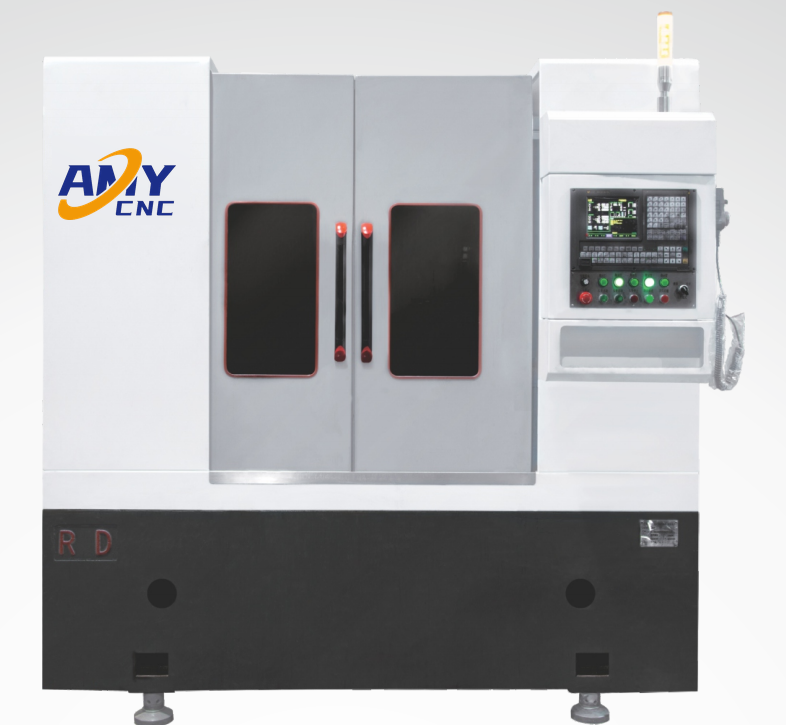
Use this category when the buyer problem is sealing-surface correction, valve-ball grinding, lapping contact improvement, or process planning for a known valve ball or sealing surface. The published ATK-MKQ page is supported as a CNC valve-ball grinding family; any lapping requirement must be reviewed and confirmed separately.
The page focuses on selection data and verified model content, so buyers can evaluate the category without relying on unsupported trust, capacity, or case statements.
What is the difference between valve grinding and valve lapping?
| Process | Buyer question | Selection notes | RFQ data to prepare |
|---|---|---|---|
| Grinding | Does the sealing surface need correction or controlled material removal? | Grinding is usually discussed when a surface needs shape correction, damage removal, or a defined machining step before finer finishing. | Surface condition, material, stock allowance if known, drawing, photo, required finish, and production or repair context. |
| Lapping | Does the sealing pair need improved contact and fine finishing? | Lapping is usually discussed when the buyer needs controlled abrasive finishing, contact pattern improvement, or final sealing surface preparation. | Abrasive preference if known, sealing contact requirement, valve ball or seat diameter, fixture needs, and inspection method. |
| Combined grinding and lapping | Does the workpiece need both correction and finishing? | Some valve ball or sealing-surface workflows need a sequence rather than a single process. Confirm the process sequence before model selection. | Workpiece drawings, before/after process goal, material, size range, output expectation, machine layout, voltage, and accessories. |
Which published model is available in this category?
The published category currently includes the ATK-MKQ model family. Buyers can use its catalog-derived model range as a starting point, then confirm the workpiece and process data required for quotation.
| Published model page | Machine type | Verified model-family data | Best next action |
|---|---|---|---|
| ATK-MKQ CNC Ball Grinding Machine | CNC valve ball grinding machine family | Supplier-catalog ATK-MKQ150 through ATK-MKQ1600 family, valve-ball ranges from 2-6 inches up to 40-64 inches depending on model, and batch-production context. Lapping is not established by the mapped source. | Prepare grinding or separate lapping RFQ details |
Which valve and workpiece data should buyers confirm?
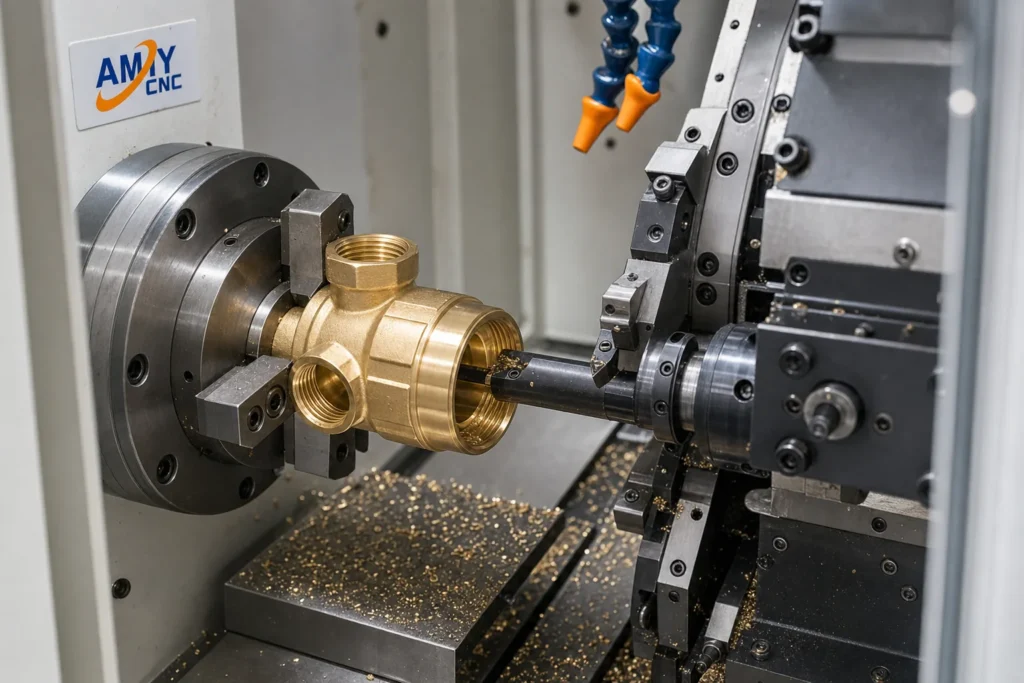
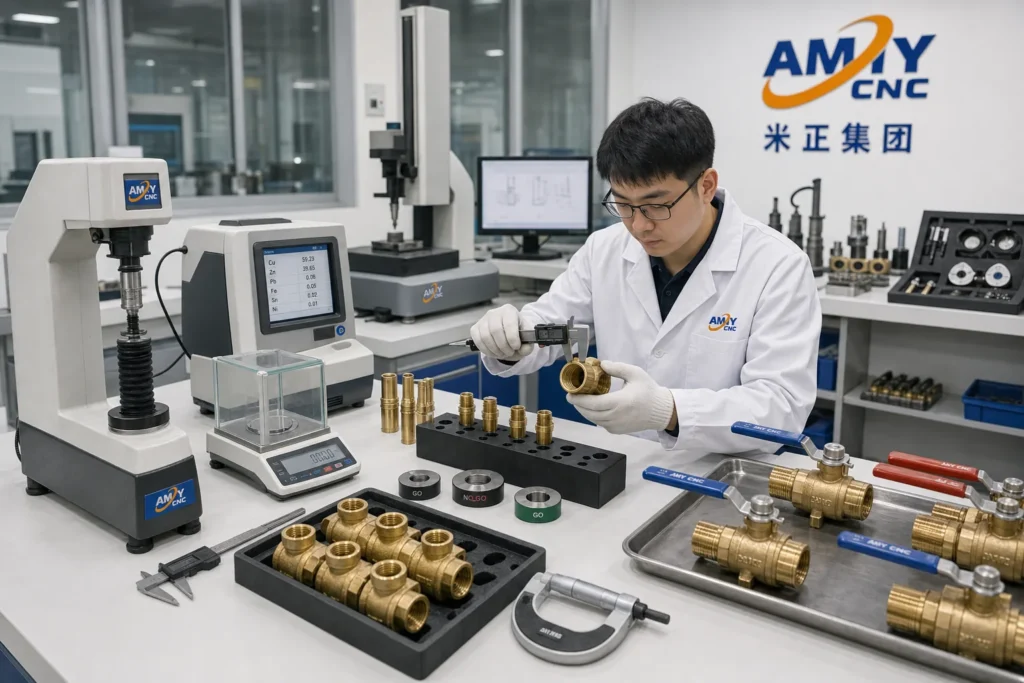
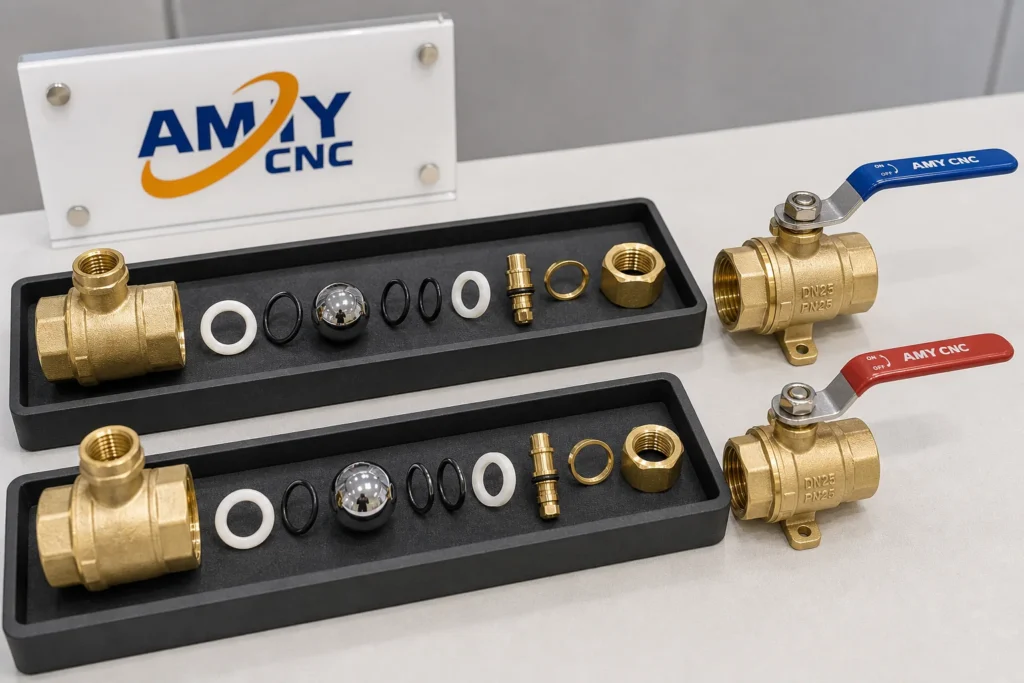
Illustrative rendered visuals for workpiece, measurement and process discussion; they are not documentary evidence of an AMY CNC-owned quality lab or customer result.
| Data group | What buyers should provide | Why it matters |
|---|---|---|
| Valve or workpiece type | Valve ball, seat, disk, wedge, flat sealing surface, spherical surface, or other sealing component. | The surface geometry changes fixture, machine layout, abrasive process, and model discussion. |
| Diameter and material | Diameter range, material grade, coating or hard-facing note, and available drawing or sample photo. | Size and material determine whether the buyer should start from the ATK-MKQ model family or another future category row. |
| Surface condition | New production, repair, pitting, scoring, wear, rough machining marks, or final finishing requirement. | Surface condition affects whether grinding, lapping, or both processes should be discussed. |
| Machine layout and utilities | Stationary or portable expectation, CNC or manual preference, voltage/frequency, available space, coolant or abrasive handling needs. | Layout and utility constraints prevent a quote from being based on the wrong machine concept. |
| Documents and evidence files | Drawings, photos, process videos, existing machine reference, target output, and inspection method where available. | Complete RFQ data reduces back-and-forth before AMY CNC can review the request. |
How should buyers move from category selection to RFQ?
- Confirm whether the application is valve ball production, sealing-surface repair, or another sealing component process.
- Open the ATK-MKQ model page when the workpiece is a valve ball and the buyer needs CNC grinding model-family data; state any lapping requirement separately.
- Use the grinding/lapping RFQ checklist to prepare diameter, material, surface condition, process goal, fixture needs, voltage and media files.
- Use the general selection matrix if the buyer is still comparing test bench, portable repair, CNC special machine, or production-line routes.
Buyer questions before selecting a grinding or lapping machine
Which sealing surfaces need grinding or lapping?
Start with the valve ball, seat, disk, wedge, or sealing component geometry. Attach photos and drawings whenever possible.
Is this for production or repair?
Production and repair projects may need different machine layouts, cycle expectations, fixtures, accessories, and documentation.
What size range should be confirmed?
For the published ATK-MKQ model family, use the model page to compare catalog-derived valve ball ranges before requesting a quote.
What consumables or fixtures are required?
Prepare abrasive, lapping plate, grinding wheel, fixture, coolant, and measurement preferences if the buyer already has process requirements.