Buyer planning and RFQ preparation
Valve Machine Buyer Guides and RFQ Preparation
AMY CNC buyer guides help valve equipment buyers move from an unclear production or repair problem to a reviewable machine inquiry. Start by identifying the valve or component, required process, size, material, drawings, output context, utilities and documentation needs. Then compare published machine, application and checklist routes before submitting a secure RFQ for project-specific confirmation.
Which question should a valve machine buyer answer first?
| Buyer starting point | First question | Published route | Data to prepare |
|---|---|---|---|
| The machine family is unclear. | Is the primary task testing, surface correction, CNC machining, field repair or multi-step production? | Valve Machine Selection Matrix | Valve type, component, current process problem, photos and drawings. |
| A valve ball or sealing surface needs correction. | Is the goal stock removal, geometry correction, lapping contact or final finishing? | Grinding and Lapping Machines | Surface type, diameter, material, damage, allowance, finish target and inspection method. |
| A valve body or fitting needs several operations. | Which faces, bores, holes and threads share a datum, fixture or loading sequence? | Valve Body and Fitting Machining | Drawing, blank, material, datum, clamping, operations, tolerance and output context. |
| A small valve ball needs sphere machining. | What are the starting stock, finished diameter, allowance and loading conditions? | Ball Valve Sphere Machining | Blank and finished dimensions, material, finish, batch context, voltage and loading method. |
| The process is understood and quotation data is needed. | Which technical and commercial inputs are still missing? | Valve Machine RFQ Checklist | Workpiece, process, output, utilities, automation, documents, destination and contact details. |
What information should every valve machine inquiry include?
| Input group | What to provide | Why it matters |
|---|---|---|
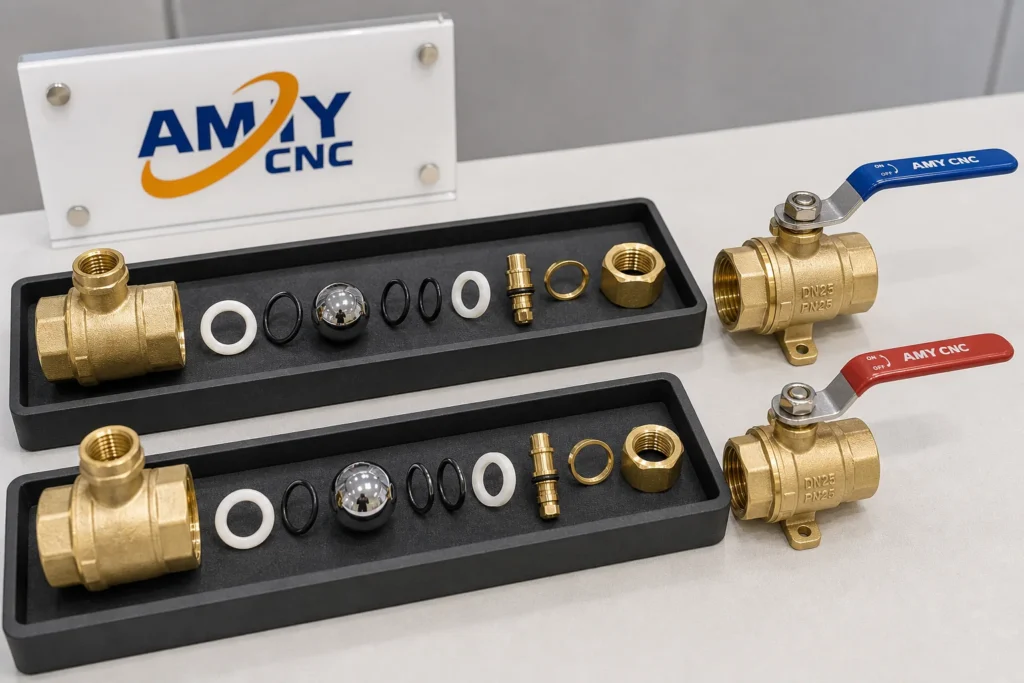
| Workpiece identity | Valve type, component name, material, blank condition, size range, weight and orientation. | Separates the actual workpiece from a generic machine-family request. |
| Required process | Faces, bores, holes, threads, sealing surfaces, turning, drilling, tapping, milling, grinding, lapping or testing steps. | Defines tool access, station sequence, fixture and machine-layout questions. |
| Quality target | Drawing tolerances, surface requirements, inspection method and any buyer-required acceptance evidence. | Prevents catalog values from being mistaken for a confirmed project result. |
| Production context | Batch or shift context, output target if known, loading preference, operators and upstream or downstream equipment. | Guides manual, semi-automatic, transfer or rotary-table discussion. |
| Site and utilities | Voltage, frequency, air, coolant, available space, access, environment and destination. | Identifies configuration and installation constraints before quotation. |
| Documents | Required manuals, drawings, language, standards, certificates or reports, stated as buyer requirements rather than assumed availability. | Keeps document scope explicit and evidence-led. |
How should drawings and workpiece data be prepared?
| Preparation item | Useful content | Avoid |
|---|---|---|
| Drawing revision | Current drawing number, revision, units, dimensions, tolerances and marked machining surfaces. | Unmarked screenshots or an obsolete revision without units. |
| Blank and finished part | Separate blank dimensions and allowance from final dimensions and finished features. | Assuming maximum stock diameter equals finished valve dimension. |
| Datum and clamping | Preferred datum, available clamping surfaces, deformation concerns and inaccessible areas. | Selecting a station count before the fixture sequence is understood. |
| Photos and video | Clear views of the workpiece, current setup, surface condition and surrounding access where relevant. | Sending confidential files through the public form; the launch form accepts text only. |
| Inspection | Measurement method, gauges, samples, reports and buyer acceptance points that require review. | Treating a rendered image or unrelated process video as acceptance evidence. |
The public inquiry form accepts text only. AMY CNC can request drawings later through a private transfer channel when the initial machine and process context is clear.
Which published AMY CNC route matches the buyer's task?
Compare machine categories
Start from testing, grinding and lapping, field repair, CNC machining or production workflow needs.
Review published machines
Compare the six current model pages and their catalog-derived starting data.
Plan by application
Use workpiece and process guides when a model name is not the right starting point.
Use online resources
Open the selection matrix and technical preparation checklists before RFQ.
Inspect rotary machining evidence
Review visible workholding and indexed tool access with explicit evidence limits.
Inspect multi-axis machining evidence
Review visible clamping, tool approach and successive machining steps before asking project questions.
What is published evidence and what still requires confirmation?
| Area | Useful public starting evidence | Confirm for the project |
|---|---|---|
| Machine and process | Published model names, category placement, catalog-derived tables and visible operations in approved videos. | Final model, responsible source, tooling, fixture, operation sequence and configuration. |
| Performance | Only explicitly qualified values shown on the relevant published page. | Cycle time, output, tolerances, surface result, trials and acceptance criteria. |
| Documents and compliance | Only files and facts actually published and identified on amycnc.com. | Required standard, certificate holder, validity, manual, report, language and delivery scope. |
| Company and facility | AMY CNC's stated export-oriented supply and project-review role. | Factory identity, ownership, production partner, customer reference or visit evidence when relevant. |
| Commercial scope | The secure RFQ, privacy, text-only submission and stated review workflow. | Price, lead time, payment, packing, delivery, installation, training, warranty and after-sales terms. |
How should buyers move from a guide to a secure RFQ?
Define the workpiece and problem
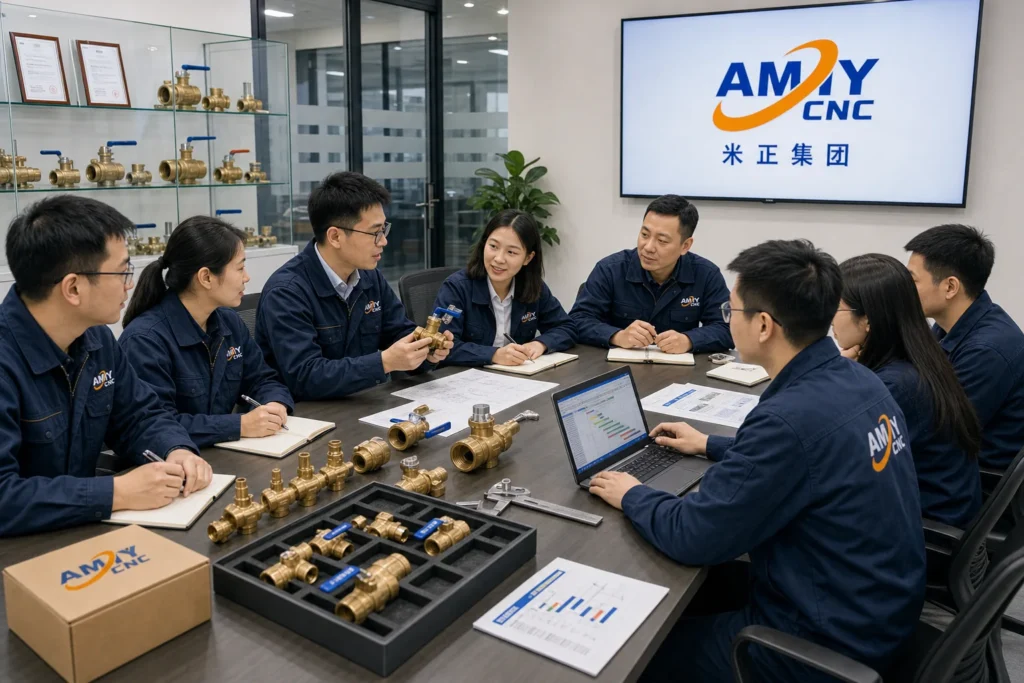
State what the part is, what operation or result is needed, and what is difficult in the current process.
Compare the closest published route
Use the category, application, machine and resource pages as starting references without assuming final suitability.
Prepare the missing technical inputs
Gather drawing, material, dimensions, blank, operations, quality target, output context, utilities and document requirements.
Submit text through the secure hub
Send the initial inquiry without public file upload. Review the Privacy Policy before submitting.
Confirm the reviewed scope in writing
Treat the machine, configuration, source, performance, documents and commercial terms as confirmed only in the reviewed project record.
Which mistakes slow valve machine review?
Starting from a model name alone
Begin with the workpiece, process and result. A similar-looking machine name does not confirm fixture, tooling or operation fit.
Mixing blank and finished dimensions
Separate starting stock, machining allowance and finished dimensions so the workholding and process can be reviewed.
Omitting quality and inspection inputs
Tolerance, surface and acceptance targets affect process planning and should not be inferred from a picture or generic catalog row.
Assuming documents are included
List required standards, certificates, manuals and reports as buyer requirements so availability and scope can be confirmed.
Buyer questions about valve machine RFQ preparation
Should a buyer choose the machine before sending a drawing?
No. Use published machine pages to narrow the route, then send the drawing and process data so the model, fixture and configuration can be reviewed.
What if the required process is unclear?
Describe the workpiece, current operation, defect or bottleneck and required result. Start with the selection matrix rather than guessing a model.
Can drawings be uploaded through the public form?
No. The launch form accepts text only. AMY CNC can request drawings through a private transfer channel after reviewing the initial inquiry.
Does a process video confirm machine performance?
No. A video can show visible workholding, motion and tool access, but it does not prove buyer-specific output, tolerance, finish or acceptance results.
Which checklist should be used for grinding or lapping?
Use the dedicated grinding and lapping RFQ checklist when the sealing surface, material, diameter, damage and process goal are already known.
Ready to prepare a reviewable valve machine inquiry?
Start with the selection matrix if the machine family is unclear. Use the closest checklist to gather technical inputs, then submit the project context through the secure RFQ hub. Published pages are starting references; the reviewed written scope controls the quotation.